
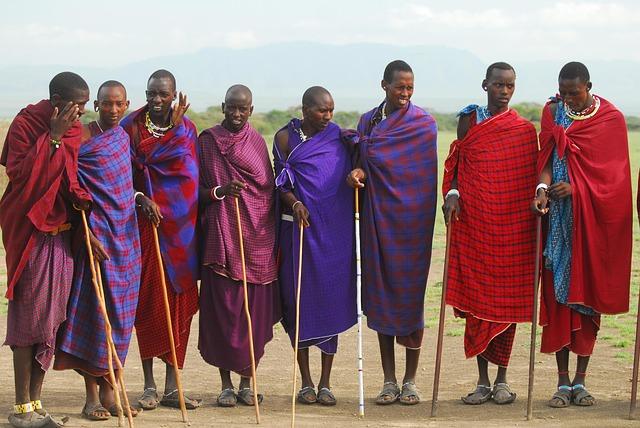
Hey there, curious minds! Today, we’re diving into a fascinating journey to explore the rich traditions of Indigenous communities from around the world. These vibrant cultures carry stories, wisdom, and customs that have been lovingly passed down through generations. From art and music to ceremonies and everyday life, Indigenous traditions offer a beautiful window into diverse ways of knowing and being. Whether you’re looking to learn something new or simply appreciate the incredible heritage that shapes our world, join me as we celebrate and honor these time-honored practices. Let’s get started!
Table of Contents
- Discovering the Heart of Indigenous Storytelling and Oral Traditions
- Embracing Indigenous Arts and Crafts as Living Cultural Treasures
- Exploring Traditional Practices in Harmony with Nature
- Supporting Indigenous Communities through Ethical Tourism and Education
- Closing Remarks
Discovering the Heart of Indigenous Storytelling and Oral Traditions
At the core of many Indigenous communities lies a vibrant tapestry of storytelling, passed down through generations with remarkable consistency and care. These oral traditions are not merely tales but living expressions of cultural identity, history, and spirituality. Through stories, elders impart lessons about the natural world, social values, and ancestral wisdom, often weaving in elements of mythology, song, and performance. This dynamic mode of communication nurtures a sense of belonging and continuity, proving that stories are much more than entertainment-they are the heartbeat of a community’s resilience and knowledge.
What makes these storytelling traditions particularly unique is their ability to adapt while preserving core messages. In many Indigenous cultures, stories are shared in communal settings, inviting participation and interpretation. Some common features include:
- Use of metaphor and symbolism to convey complex concepts.
- Interactive narration, encouraging listeners to engage and reflect.
- Integration of natural elements that emphasize harmony between humans and the environment.
Through these storytelling practices, communities foster intergenerational bonds and ensure that their vibrant traditions remain alive and relevant in today’s rapidly changing world.
Embracing Indigenous Arts and Crafts as Living Cultural Treasures
Indigenous arts and crafts are far more than mere objects; they are vibrant expressions of ancestral wisdom and storytelling. Each piece carries the spirit of its creator’s heritage, woven through intricate patterns, symbols, and natural materials sourced from the land. By valuing these creations as living cultural treasures, we open a window into the ancestral knowledge and deep community connections that sustain them. From handwoven textiles that capture the rhythm of traditional motifs to carved sculptures embodying spiritual journeys, these works are dynamic links between past and present.
Supporting indigenous craftsmanship nurtures cultural resilience and empowerment in many critical ways:
- Preserving Languages & Symbols: Crafts often embed indigenous languages and symbolic meanings that might otherwise fade away.
- Promoting Sustainable Practices: Artisans rely on eco-friendly, time-honored methods that honor the environment.
- Strengthening Economies: Fair trade and ethical consumption create opportunities for indigenous communities to thrive.
- Fostering Cultural Exchange: Sharing these arts with broader audiences encourages respect and deepens mutual understanding.
Embracing these treasures invites us to participate in a cultural dialogue that honors diversity and the living legacies of indigenous peoples worldwide.
Exploring Traditional Practices in Harmony with Nature
Indigenous communities around the world have long been exemplars of living in balance with their environment, where every tradition is woven intricately with the rhythms of nature. From sustainable farming techniques that mimic natural ecosystems to rituals honoring sacred landscapes, these practices illustrate a profound respect and understanding of the earth’s cycles. Their knowledge not only preserves biodiversity but also strengthens community bonds, reminding us that sustainability is as much about relationships as it is about resources.
Among the many treasured customs, some key elements include:
- Seasonal celebrations that mark the changing natural cycles and express gratitude to the land.
- Crafting with natural materials, such as weaving baskets or making pottery, which supports eco-friendly living and cultural identity.
- Oral storytelling that passes down environmental wisdom, traditional laws, and survival skills across generations.
- Medicinal plant knowledge that highlights a deep connection to the natural world and holistic health practices.
Supporting Indigenous Communities through Ethical Tourism and Education
When engaging with indigenous cultures, it’s vital to approach with respect, curiosity, and an ethical mindset. Traveling responsibly involves more than just sightseeing; it’s about fostering authentic connections and supporting the preservation of traditions that have thrived for centuries. Choosing community-led tours and workshops ensures that your visit directly benefits the people who generously share their heritage, facilitating sustainable development and cultural pride. By investing in these experiences, you’re not only gaining a meaningful understanding but actively contributing to the vitality of indigenous livelihoods.
Key ways to support indigenous communities through tourism and education include:
- Participating in cultural exchanges and traditional craft workshops hosted by local artisans.
- Purchasing handmade goods directly from indigenous vendors to sustain their economies.
- Respecting sacred sites and customs by adhering to community guidelines.
- Promoting awareness by sharing stories and knowledge gained during your visit responsibly.
Closing Remarks
As we wrap up our journey into the vibrant traditions of Indigenous communities, it’s clear that these rich cultures offer invaluable lessons in resilience, connection, and respect for the natural world. Embracing and honoring these traditions not only helps preserve them but also enriches all of us by broadening our understanding of the diverse ways human beings express identity and belonging. Thanks for exploring this fascinating tapestry of heritage with me-let’s keep the conversation going and continue to learn from the incredible wisdom of Indigenous peoples around the globe!


Leave a Comment