
Hey there, fellow travel enthusiast! If you’ve ever dreamed of stepping back in time and exploring the rich tapestry of India’s incredible history, you’re in for a treat. India is a treasure trove of stunning historical monuments, each with its own unique story waiting to be discovered. Whether you’re a history buff, an architecture lover, or just someone who loves a good adventure, this friendly guide will take you through some of the top historical gems across the country. So grab your walking shoes, pack your curiosity, and let’s embark on a journey through India’s fascinating past!
Table of Contents
- Top Must-Visit Historical Monuments That Bring India’s Past to Life
- Hidden Gems and Lesser-Known Architectural Wonders Worth Exploring
- Tips for Planning Your Monument Tour Like a Local
- How to Capture Stunning Photos and Make the Most of Your Visits
- To Wrap It Up
Top Must-Visit Historical Monuments That Bring India’s Past to Life
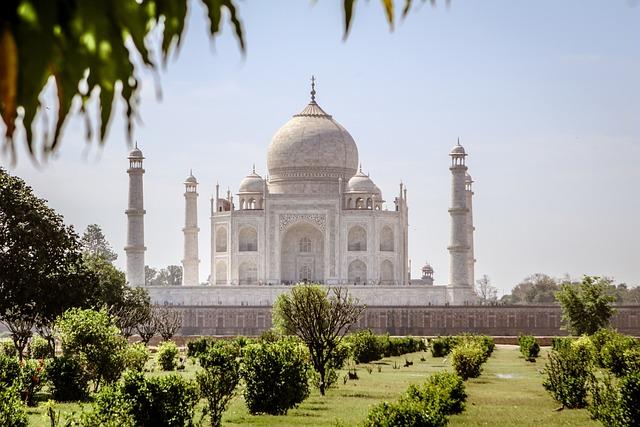
Stepping into India’s historical monuments is like walking through pages of an epic storybook where every stone whispers tales of valor, romance, and rich cultural heritage. From the majestic forts of Rajasthan to the intricate carvings of ancient temples in Tamil Nadu, these structures offer a fascinating glimpse into diverse dynasties and architectural brilliance. The Red Fort in Delhi stands as a proud symbol of Mughal grandeur, while Qutub Minar reflects the ingenuity of early Islamic architecture in the country. Don’t miss the Taj Mahal, where love and artistry converge in shimmering marble-truly a monument that never fails to inspire awe.
Exploring these sites is more than just sightseeing; it’s an immersive journey into India’s soul. Wander through the ancient rock-cut caves of Ajanta and Ellora that narrate Buddhist, Hindu, and Jain philosophies through exquisite frescoes and sculptures. Take your time at Hampi, where ruins speak softly of a prosperous Vijayanagara empire. Whether you’re strolling through the grandeur of Jaipur’s Amber Fort or the timeless serenity of Khajuraho’s temples, each monument invites you to connect with the past in a way that’s both educational and deeply moving.
- Red Fort, Delhi – A symbol of Mughal power and architectural finesse
- Taj Mahal, Agra – The eternal monument of love
- Qutub Minar, Delhi – The soaring minaret of Islamic heritage
- Ajanta and Ellora Caves, Maharashtra – Cave temples with vibrant murals and sculptures
- Amber Fort, Jaipur – Blend of Hindu and Mughal architecture perched on a hill
- Hampi, Karnataka – The ruins of a once-glorious Vijayanagara empire
- Khajuraho Temples, Madhya Pradesh – Iconic for their stunning erotic sculptures and spiritual significance
Hidden Gems and Lesser-Known Architectural Wonders Worth Exploring
India’s rich history isn’t just about the well-trodden paths of the Taj Mahal or Qutub Minar. If you love diving into the extraordinary, stepping off the beaten track reveals a treasure trove of architectural wonders that remain wonderfully undiscovered by most travelers. Imagine strolling through the serene ruins of the Adalaj Stepwell in Gujarat, an ingeniously designed subterranean marvel boasting intricate carvings and a cool refuge from the desert heat. Or uncovering the ancient brilliance of the Lepakshi Temple in Andhra Pradesh, where stunning frescoes, massive pillars, and the famous hanging pillar await your curious gaze.
These lesser-known wonders offer more than just picturesqueness – they tell stories of artistic innovation and cultural fusion that shaped India’s heritage. Consider including places like:
- Chand Baori in Rajasthan, a mesmerizing stepwell with geometric perfection
- Fatehpur Sikri, a red sandstone city frozen in time, near Agra
- Bhimbetka Rock Shelters, where ancient cave paintings whisper secrets of early human life
Visiting these hidden gems offers a more intimate connection with India’s past, inviting you to explore stories that mainstream guides often overlook. Pack your curiosity and an adventurous spirit – these architectural treasures are waiting to be explored!
Tips for Planning Your Monument Tour Like a Local
When planning a monument tour like a local, timing is everything. Avoid the crowds by starting your day early-many historic sites open just as the sun rises, offering not only cooler temperatures but also a serene atmosphere to truly soak in the history. Midweek visits are often less crowded compared to weekends, so try to schedule your trip accordingly. Don’t forget to wear comfortable shoes, as exploring these centuries-old wonders often means plenty of walking on uneven paths and cobblestones. Carry a reusable water bottle and a hat to stay hydrated and protected from the intense Indian sun.
Embrace the local vibe by exploring nearby markets and eateries that surround these monuments-this is where you’ll find authentic flavors and unique souvenirs. When buying tickets, consider combo passes or local tourism cards that offer entry to multiple sites at discounted rates. Also, connect with local guides or use audio guide apps; they offer rich historical anecdotes that bring the monuments’ stories to life in a way that signs and plaques simply can’t. Here’s a quick checklist to keep in mind:
- Early morning visits to beat the heat and crowds
- Comfortable attire and footwear for walking
- Local guides or audio tours for enriched experiences
- Explore nearby markets for food and crafts
- Plan with combo passes for savings
How to Capture Stunning Photos and Make the Most of Your Visits
Capturing stunning photos at historical monuments requires a blend of preparation, timing, and creativity. Start by visiting early in the morning or during the golden hour – the soft, warm light around sunrise and sunset enhances architectural details and adds a magical glow to your images. Experiment with different angles: instead of snapping straight-on shots, try low perspectives looking up or frame your subject through arches or foliage for added depth. Don’t forget to play with shadows and highlight contrasts, especially on intricate carvings or aged stonework, to bring out textures that tell the story of these ancient sites.
To make the most of your visit, carry a lightweight tripod for steady shots, especially when capturing monuments in low light conditions. If you’re equipped with a smartphone, use gridlines to align your compositions and explore editing apps to subtly enhance your photos later. Remember to respect the site rules and keep your distance where necessary. Here are a few quick pro tips to keep in mind:
- Use natural frames: Look for doorways, windows, or tree branches that can create a natural border around your subject.
- Look beyond the monument: Capture candid moments of locals or visitors interacting with the site for a more immersive story.
- Carry extra batteries or power banks: You don’t want your devices to die at the perfect shot moment.
- Take multiple shots: Bracket your photos with different exposures to choose the best later or create stunning HDR images.
To Wrap It Up
And there you have it-our friendly guide to some of the top historical monuments to explore in India! Whether you’re a history buff, a culture enthusiast, or just someone looking for breathtaking sights, India’s rich heritage offers something truly unforgettable. Each monument tells a unique story, reflecting the incredible tapestry of India’s past. So pack your bags, bring your curiosity, and get ready to step back in time while soaking in the vibrant colors and warm hospitality that make India so special. Happy exploring!


Leave a Comment